
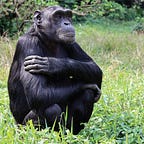
When Charles Darwin suggested that the mental divide between humans and other animals was one of degree, not of kind, Victorian audiences bristled. Humanity, the story went, held a monopoly on reason. Centuries later, that assumption still lingers, even as cognitive science keeps chipping away at it. Now a team working with chimpanzees at Uganda’s Ngamba Island Sanctuary has added another crack to the pedestal.
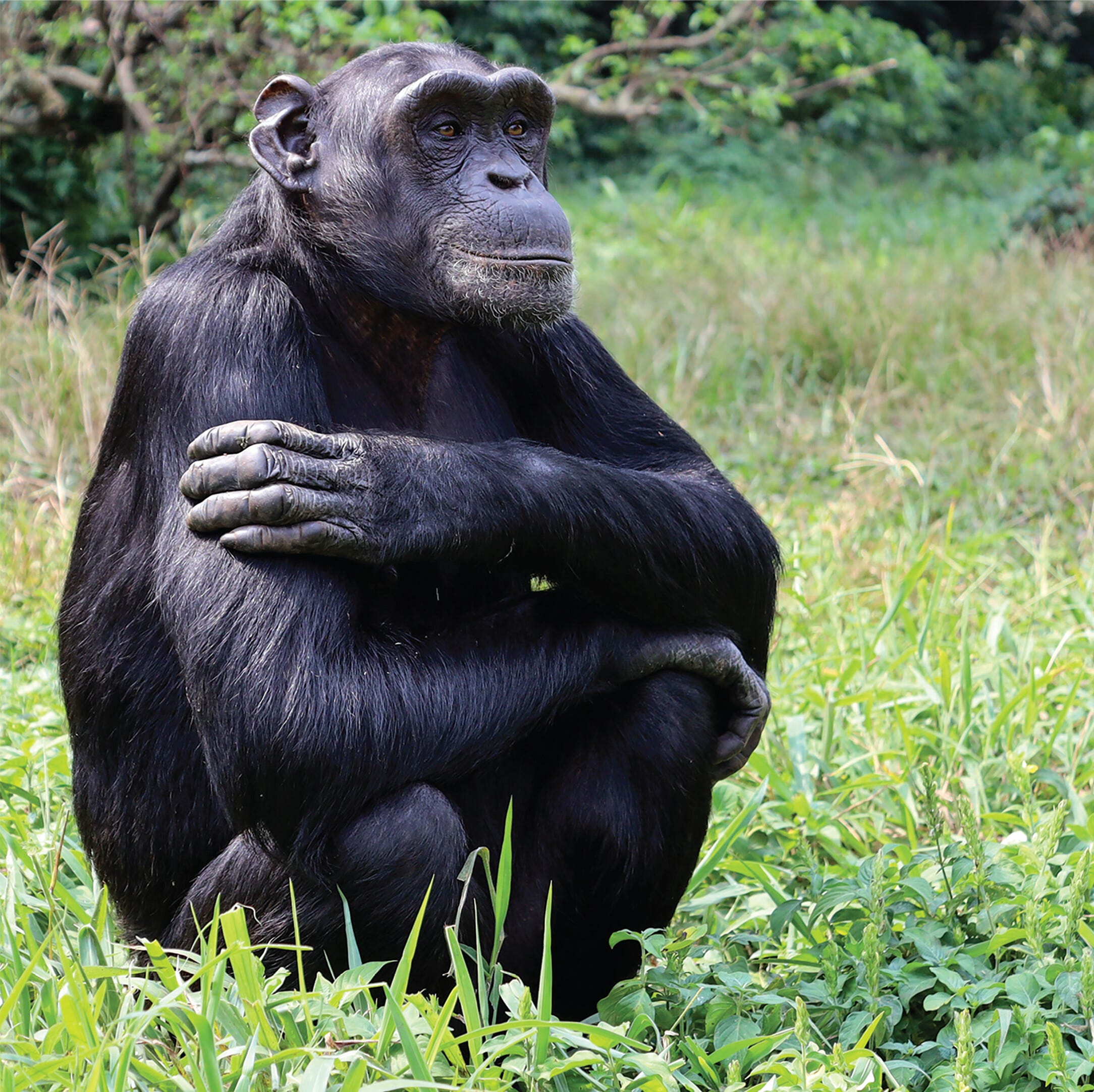
Their subjects did something that feels distinctly familiar: they noticed when their assumptions were wrong and changed their minds. They did not merely react to stimuli. They weighed evidence, ranked it by strength, integrated new information, and revised earlier decisions. If that sounds like the essence of scientific thinking, it should.
The study, published in Science,1 does not claim chimpanzees rival Homo sapiens in logic. But it does offer a portrait of primate minds thinking with precision that many humans struggle to sustain in daily life.


